Manual Overview
The Char-Broil Big Easy Turkey Fryer Manual provides concise guidance for safe, efficient turkey deep‑frying. It covers preparation, oil handling, temperature control, loading, cooking times, and cleanup, ensuring a delicious, hazard‑free holiday meal. Follow safety guidelines a great turkey.!
Purpose & Scope
The Char‑Broil Big Easy Turkey Fryer Manual is designed to equip consumers with the knowledge and procedures required to safely and effectively operate the fryer for holiday cooking. Its primary purpose is to provide clear, step‑by‑step instructions that cover pre‑frying preparation, oil selection and handling, temperature monitoring, loading and unloading techniques, cooking time calculations, and post‑cooking cleanup. The manual also outlines safety precautions to mitigate fire and burn hazards, ensuring that users can enjoy a flavorful turkey while protecting themselves, their family, and their property. By following the manual, users will gain confidence in operating the fryer, achieve consistent cooking results, and maintain the appliance’s longevity. The scope of the manual is limited to the Big Easy Turkey Fryer model, covering only the functions and features that are unique to this product. It does not address other Char‑Broil appliances, general cooking methods, or advanced troubleshooting beyond the provided maintenance guidelines. It is intended for users, offering troubleshooting tips, FAQs to address issues such uneven browning, splatter, temperature fluctuations. It also includes a brief overview of the fryer’s warranty and customer support resources. This document is a living reference that should be consulted before each use and updated as new safety advisories or product enhancements become available. See safety sheet for updates. Refer to safety data sheet for
Safety & Fire Prevention
Use a stable, fire‑proof surface. Keep the fryer away from walls, curtains, and flammable items. Never leave hot oil unattended. Maintain a fire extinguisher nearby and keep children and pets out of the area. keep the lid closed and never pour water into hot oil.!
Fire Hazards
Deep‑frying a turkey with the Char‑Broil Big Easy fryer introduces several fire risks that must be managed. The primary hazard is the rapid expansion of water vapor when a partially frozen or wet bird contacts the 375‑to‑400°F oil, producing violent steam and oil splatter. This splatter can ignite nearby surfaces, especially paper towels, plastic, or wooden furniture. The fryer’s metal housing can conduct heat, and if the oil temperature rises above 400°F, it can reach its flash point, creating a fire‑prone environment. Additionally, overfilling the fryer with oil increases the chance of overflow and accidental contact with the heating element. A malfunctioning thermostat or a faulty heating element can cause uncontrolled temperature spikes, further elevating fire risk. Finally, the use of a propane or electric heat source near the fryer introduces potential ignition sources if the unit is not properly grounded or if the wiring is damaged. To mitigate these hazards, always use a dedicated, non‑flammable work area, keep the fryer level, and monitor oil temperature closely. Never leave the fryer unattended, and ensure that all electrical connections are secure and protected from moisture. By following these precautions, the risk of fire can be significantly reduced while enjoying a safe, delicious turkey. When oil reaches its flash point, even a small spark can ignite a fire that spreads rapidly. Keep the fryer on a stable, heat‑resistant surface and avoid excess oil spilling onto the heating element. Ventilation reduces smoke and heat buildup, cutting risk of blaze. Always keep a fire extinguisher nearby and never leave the fryer unattended. Use a fire blanket for emergencies. Follow safety rules!.
Handling Hot Oil
When the fryer reaches the target temperature, the oil becomes a volatile medium that demands careful handling. Begin by ensuring the fryer is on a stable, heat‑resistant surface and that the surrounding area is clear of flammable materials. Use a high‑temperature‑rated thermometer to monitor oil temperature continuously; avoid letting it exceed 400°F (204°C). When the turkey is ready to be submerged, lower it slowly with a sturdy, insulated basket or a pair of long‑tipped tongs. This controlled descent minimizes splatter. Never drop the bird; a sudden impact can cause the oil to splash and ignite. Keep the fryer’s lid open only when necessary, and if you must close it, do so slowly to allow steam to escape. When removing the turkey, use tongs or a basket to lift it out, allowing excess oil to drain back into the pot. Place the bird on a rack or a sheet of parchment paper to drain further. If you need to add more oil, do so gradually, pouring from a height that keeps the oil from splashing onto the heating element. Always keep a fire extinguisher rated for grease fires nearby, and never use water to cool hot oil, as it can cause violent steam and fire. After cooking, let the oil cool to below 200°F before handling. Store the remaining oil in a sealed container, and discard it responsibly. By following these steps, you can safely manage hot oil and reduce the risk of accidents during turkey frying. Additionally, always position the fryer away from walls and cabinets to prevent heat buildup. If the fryer’s temperature sensor fails, immediately shut off the power to avoid overheating. When transferring oil to a storage container, use a funnel to prevent spills. Never store hot oil in a plastic container; opt for a metal or glass container with a tight lid. Label the container with the date and oil type. If you plan to reuse the oil, strain it through a fine mesh filter to remove food particles, and store it in a cool, dark place. Reusing oil reduces waste but also increases oxidation; discard after five uses. Finally, keep children and pets away from the cooking area, and educate them on the dangers of hot oil. By adhering to these guidelines, you maintain a safe frying environment and enjoy a perfectly cooked turkey.!!!!!!
Personal Protective Equipment
When operating the Char‑Broil Big Easy Turkey Fryer, wearing the correct protective gear is essential to prevent burns, splashes, and other injuries. The manufacturer recommends the following items: a heat‑resistant apron or jacket that covers the torso and arms; a pair of insulated, fire‑rated gloves that allow you to handle the basket and hot oil without direct skin contact; safety goggles or a face shield to protect the eyes from sudden oil splashes; and closed‑toe, non‑slip shoes to maintain stability on the fryer’s metal surface. For added safety, use a long‑sleeved, breathable shirt under the apron, and avoid loose clothing or jewelry that could catch fire or become trapped in the basket. Keep a fire extinguisher rated for grease fires within arm’s reach, and ensure that all users are trained in its operation. After each use, inspect gloves and goggles for cracks or wear, replacing them immediately if damaged. Store all PPE in a dry, well‑ventilated area to prevent moisture buildup, which can reduce the effectiveness of heat protection. By consistently wearing the recommended gear, you reduce the risk of injury and create a safer cooking environment for everyone involved. Additionally, store the gloves and goggles in a dry, well‑ventilated area to prevent mildew; replace them after each use if they show signs of wear. Training all famly members on safe handling of the fryer and PPE can further reduce risks, ensuring a safe and enjoyable cooking experience for everyone involved.
Equipment & Setup
The Char‑Broil Big Easy Turkey Fryer requires a stable, level surface, a 5‑gal oil capacity, and a 12‑hour preheat period. Ensure the fryer’s thermostat is set to 350°F, and use a 12‑inch basket for even cooking. Keep the area dry and clear of flammable items!!!!!!
Fryer Features
The Char‑Broil Big Easy Turkey Fryer is engineered for holiday cooking, combining durability with user‑friendly design. Its 5‑gal oil capacity accommodates a 12‑pound turkey, while the heavy‑duty cast‑iron pot ensures even heat distribution and minimal oil splatter. A built‑in thermostat maintains a steady 350°F, preventing overheating and preserving the turkey’s moisture. The fryer’s 12‑inch basket is removable for easy loading and unloading, and its non‑stick coating reduces cleanup time. Safety is paramount: the unit includes a heat‑resistant handle, a lock‑out feature that prevents accidental ignition, and a splash guard that keeps the surrounding area dry. The integrated timer allows precise cooking intervals, and the clear glass window lets you monitor the oil level without opening the lid. For convenience, the fryer comes with a detachable oil filter, making oil replacement simple and reducing waste. Its compact footprint fits most outdoor kitchens, and the stainless‑steel finish resists rust and corrosion. Overall, the Char‑Broil Big Easy Turkey Fryer delivers reliable performance, safety, and ease of use for a memorable holiday feast. The fryer’s design also features a quick‑release oil drain, allowing you to empty and refill oil without hassle. Its sturdy frame supports up to 150 pounds, ensuring stability during the frying process. The clear safety instructions are printed on the back panel, guiding users through each step. With its sleek black finish, the fryer complements any outdoor décor, making it both functional and stylish. Its robust construction and precise temperature control make it a favorite among home chefs seeking safety and flavor!
Frying Procedure
Begin by thawing the turkey fully, then pat dry. Heat oil to 350°F, using a thermometer. Submerge the turkey slowly, monitoring temperature. Cook 3–4 minutes per pound, ensuring even browning. Remove, drain, and rest before serving. The turkey will be juicy quick!!! Enjoy crispy, golden skin.
Thawing & Drying
Proper thawing is essential to prevent oil splatter and ensure even cooking. Remove the turkey from its packaging and place it in a refrigerator at 40°F (4°C) for 24 hours per 4–5 lb (1.8–2.3 kg). Once thawed, pat the bird dry with paper towels, removing all excess moisture from the cavity and exterior. Moisture on the surface will cause the oil to spatter violently when the turkey contacts the hot oil. After drying, season the turkey as desired, but avoid applying a wet glaze or brine that could drip into the fryer. Store the turkey in a shallow dish on a tray to catch any residual liquid before placing it in the fryer. This preparation step ensures a safer frying environment and a crisp, golden exterior. Follow steps for a turkey fry.
- Check the turkey’s internal temperature with a meat thermometer; it should read 0 °F (−18 °C) before thawing.
- Keep the turkey wrapped in a clean, dry cloth during the thawing process to maintain temperature.
- After patting dry, use a fork to pierce the skin lightly; this helps steam escape during frying.
- Place the turkey on a wire rack over a tray to allow excess water to drain away.
- Do not rush the thawing process; partial thawing can cause uneven cooking and increase fire risk.
Always verify that the turkey is completely dry before lowering it into the fryer to minimize splatter and ensure optimal cooking results. Enjoy!!
Steps for a turkey fry. Great!
Oil Preheating
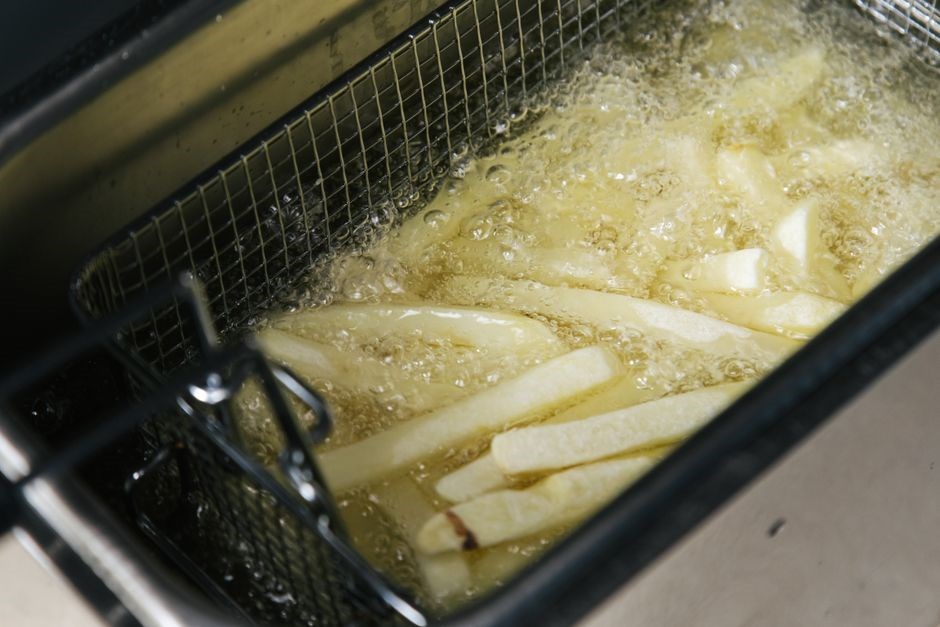
Before lowering the turkey into the fryer, the oil must reach the correct temperature to ensure a crisp exterior and safe cooking environment; The Char‑Broil Big Easy recommends heating the oil to 350°F (177°C). Use a dedicated deep‑fry thermometer; insert it into the oil, avoiding contact with the fryer’s metal parts. Allow the oil to heat for 10–15 minutes, stirring occasionally to promote even temperature distribution. Do not exceed 375°F (191°C), as higher temperatures increase the risk of flare‑ups and oil degradation.
When the thermometer reads the target temperature, remove the oil from the heat source and let it settle for 1–2 minutes. This pause allows any bubbles to subside and the oil to stabilize, preventing sudden splatter when the turkey is introduced. Keep the fryer lid closed during this period to maintain heat and reduce the chance of accidental spills.
Always keep a fire extinguisher rated for grease fires nearby. If the oil begins to smoke or flash, turn off the heat immediately and allow the oil to cool before proceeding. Proper preheating is critical for a safe, flavorful result.
Before adding the turkey, make sure the thermometer’s probe is fully submerged. A stable reading keeps the oil within the safe range. If the oil emits a faint smoke, reduce the heat or pause the process to lower the temperature. Keeping a temperature prevents the oil from reaching its flash point and reduces the risk of a grease fire.
Keep oil at 350°F.!!
Loading & Cooking
When the oil has reached 350°F, carefully lower the pre‑thawed turkey into the fryer. Keep the basket level to avoid oil spillage. The turkey should be fully submerged, but do not overfill the fryer; the recommended capacity is 10–12 gallons of oil for a 12‑pound bird. Once the turkey is in, close the lid to maintain temperature and reduce splatter.
Cook the turkey for 3–4 minutes per pound. Use a timer and check the internal temperature with a meat thermometer inserted into the thickest part of the thigh; the target is 165°F (74°C). Do not rely solely on time, as variations in oil temperature and turkey size can affect results. Stir the turkey gently every 30 seconds to promote even browning, but avoid excessive agitation that could break the skin.
After the cooking cycle, lift the turkey out with the basket, allowing excess oil to drip back into the fryer. Let the bird rest for 10–15 minutes before carving, ensuring a moist interior. While the turkey rests, keep the fryer lid closed and the oil at a safe temperature to prevent oxidation.
Always monitor the oil’s surface; if it begins to smoke, reduce the heat or pause the cooking. A steady 350°F is ideal; fluctuations can cause flare‑ups. The Char‑Broil Big Easy’s built‑in temperature gauge helps maintain consistent heat, but double‑check with a separate thermometer for safety.
After cooking, discard the used oil responsibly. Do not pour it down the drain; instead, strain it through a fine mesh and store in a sealed container for future use or dispose of it according to local regulations. Note
Removal & Resting
When the turkey’s internal temperature reaches 165°F (74°C), lift the basket from the fryer with heat‑resistant gloves. Tilt the basket to let excess oil drain back into the reservoir, then set it on a heat‑proof surface. Allow the bird to rest for 10–15 minutes; this resting period lets juices redistribute, producing a moist, tender interior while the lid remains closed to keep the oil temperature steady and reduce oxidation.
Confirm the final temperature with a meat thermometer before carving. If the core is below 165°F, return the turkey to the fryer for an additional 5–10 minutes. Overcooking will dry the meat, so monitor closely. After resting, carve the legs and thighs first, then the breast, and finish with the wings. Serve immediately to enjoy the crisp skin and juicy flesh.
During the rest, check the oil level. If it has fallen below the minimum line, add fresh, pre‑heated oil to maintain the proper depth for future use. Store the remaining oil in a sealed container, labeled with the date, and refrigerate for up to four weeks. When reusing oil, strain it through a fine mesh to remove food particles, and discard any oil that has darkened or developed a rancid odor.
Keep a fire extinguisher rated for grease fires within reach and never leave the fryer unattended while the turkey cools. Residual heat can cause flare‑ups, so monitor the area. Dispose of leftover turkey bones or trimmings in a sealed bag before trashing to prevent pests. After the turkey has rested, allow the oil to cool to room temperature before handling; once cooled, pour it into a heat‑proof container for storage or disposal, following local hazardous waste guidelines.
Cleaning & Maintenance
After each use, drain oil, cool, and clean the basket and reservoir with warm soapy water. Scrub with a non‑abrasive sponge, rinse, dry, and re‑oil. Inspect heating element for damage, replace if necessary. Store in a dry, cool place. Keep the basket dry and store in a cool, dry place. Enjoy!
Cleaning Steps
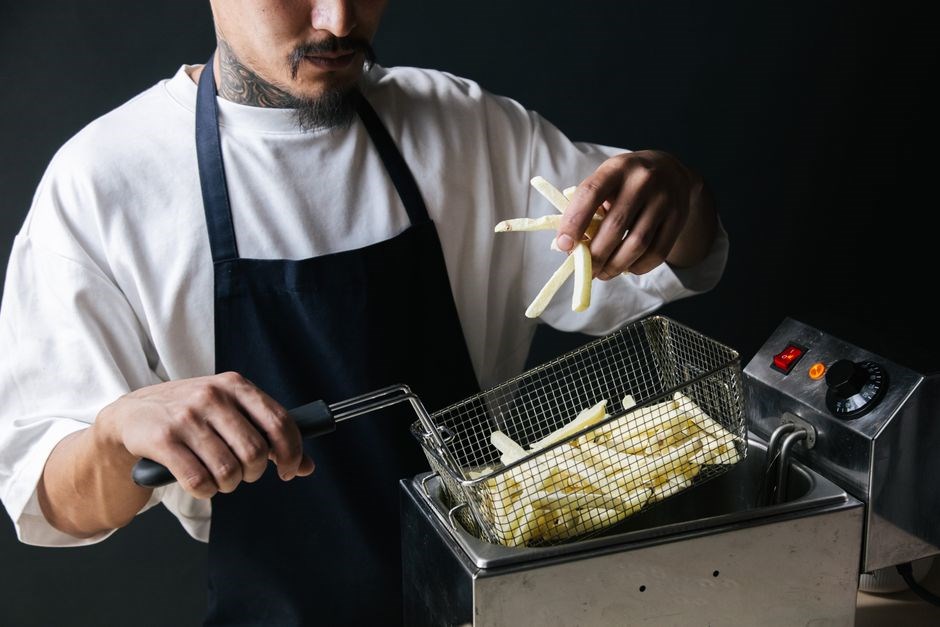
After each frying session, allow the fryer to cool completely before handling. Drain the used oil through the built‑in filter into a sealed container for future use or disposal. Remove the basket and soak it in warm, soapy water for 10 minutes to loosen any residue. Scrub the basket and the inner reservoir with a non‑abrasive sponge, avoiding metal scouring pads that could damage the coating. Rinse thoroughly with clean water and dry with a lint‑free cloth. Wipe the exterior of the unit with a damp cloth, paying special attention to the heating element and the oil reservoir lid. Inspect the heating element for any signs of wear or damage; replace if necessary. Re‑fill the reservoir with fresh oil, ensuring it does not exceed the maximum fill line. Store the fryer in a dry, cool place, and cover it with a protective sleeve to prevent dust accumulation. For long‑term maintenance, schedule a professional oil filter replacement every 50 hours of use, and periodically check the temperature gauge for accuracy. By following these steps, you’ll extend the life of your Char‑Broil Big Easy Turkey Fryer and ensure safe, flavorful results every time.
For seasonal cleaning, remove the oil filter, rinse it under hot water, and dry it thoroughly before reinserting. Check the oil level indicator to confirm proper oil quantity. If the oil shows a dark, foamy appearance, discard and replace. Keep a log of oil changes and frying sessions to track usage. When storing the fryer for the off‑season, empty the reservoir, wipe the interior, and cover the unit with a breathable bag. This prevents moisture buildup and extends the appliance’s lifespan. Remember to always unplug the fryer before cleaning to avoid electrical hazards. Following these comprehensive cleaning steps will keep your fryer in top condition and ready for the next holiday feast.
Long‑Term Maintenance
To preserve the performance of your Char‑Broil Big Easy Turkey Fryer, schedule routine inspections and component replacements. Every 50–75 frying sessions, remove the oil filter, rinse it in hot water, and dry it before reinstalling. Replace the filter if it shows signs of wear or if the oil drains slowly. Inspect the heating element for discoloration or damage; if the element is compromised, replace it with a manufacturer‑approved part. Verify the accuracy of the built‑in thermometer by comparing it to a calibrated digital probe; recalibrate or replace the gauge if readings deviate by more than 5 °F. Keep the oil reservoir clean by wiping the interior with a damp cloth after each use; avoid abrasive cleaners that can scratch the coating. Store the fryer in a dry, well‑ventilated area, covered with a breathable bag to prevent dust accumulation. Periodically check the electrical connections for corrosion or loose contacts; tighten or replace as needed. If the fryer has been in storage for an extended period, run a short test cycle with fresh oil to ensure the heating element and thermostat function correctly. Document all maintenance activities in a log, noting filter changes, oil quality, and any repairs. By adhering to these long‑term care practices, you’ll extend the life of the fryer and maintain safe, efficient operation for many holiday seasons;
For seasonal checks, inspect the oil reservoir lid seal for cracks; replace if necessary. If you notice a persistent off‑smell or foamy oil, discard and replace. Consider having the fryer serviced by a qualified technician every two years to inspect internal components and ensure compliance with safety standards. Keep spare parts such as the oil filter and heating element on hand for quick replacement; Finally, review the user manual annually to stay updated on any manufacturer advisories or recalls.