
Maytag Neptune Dryer: A Comprehensive Guide
Navigating laundry day with your Maytag Neptune dryer becomes simpler with access to detailed manuals, troubleshooting guides, and repair insights.
Discover solutions for common issues, error code interpretations, and maintenance procedures, ensuring optimal performance and longevity for your appliance.
Understanding Your Maytag Neptune Dryer Model
Identifying your specific Maytag Neptune dryer model is the crucial first step towards effective troubleshooting and maintenance. These dryers, while sharing a core design, come in various configurations with differing features and capacities.
Locating the model number—typically found on a sticker inside the dryer door or on the back panel—unlocks access to the correct documentation and replacement parts;
Maytag Neptune dryers are known for their advanced features, including moisture-sensing technology and multiple drying cycles tailored to different fabric types. Understanding these features, as detailed in your model’s manual, allows for optimized performance and prevents damage to your clothes.
Different models may also have unique venting requirements or specific maintenance procedures, making the manual an indispensable resource. Referencing the correct manual ensures you’re following the manufacturer’s recommendations for your particular dryer.
Locating the Maytag Neptune Dryer Manual
Finding the correct manual for your Maytag Neptune dryer is essential for proper operation, maintenance, and troubleshooting. While a physical copy may have been included with your purchase, it’s easily misplaced. Fortunately, digital versions are readily available online.
A comprehensive search on the Maytag website, using your dryer’s specific model number, is the most reliable method. Many third-party websites also archive appliance manuals, offering a convenient alternative. Look for sites specializing in appliance documentation or repair resources.
PDF versions are common, allowing for easy download and viewing on various devices. Remember to verify the manual’s compatibility with your exact model number to ensure accuracy.
If you’re unable to locate a digital copy, contacting Maytag’s customer support directly can often result in a manual being emailed to you.
Dryer Safety Precautions
Operating your Maytag Neptune dryer safely requires adherence to crucial precautions. Always ensure the dryer is properly grounded to prevent electrical shock. Never operate the dryer if it’s damaged, particularly the power cord or plug. Regularly inspect the vent hose for obstructions and ensure it’s not kinked or crushed, as this poses a fire hazard.
Avoid drying items that have been soaked in flammable substances, such as gasoline or cleaning solvents. Clean the lint filter before each use – a clogged filter significantly increases fire risk and reduces drying efficiency. Do not overload the dryer; proper airflow is vital.
Keep the surrounding area clear of combustible materials. Supervise children when they are near the dryer, and never allow them to play inside or around it. Disconnect the dryer from power before performing any maintenance or repairs.

Common Maytag Neptune Dryer Issues & Troubleshooting
Addressing typical Maytag Neptune dryer problems involves diagnosing issues like failure to start, lack of heat, drum immobility, or excessive noise – solutions await!
Dryer Not Starting
If your Maytag Neptune dryer refuses to start, several potential causes need investigation. First, verify the power supply – ensure the dryer is properly plugged into a functioning outlet. Check your home’s circuit breaker or fuse box to confirm the circuit hasn’t tripped or blown. A tripped breaker is a common culprit.
Next, examine the door switch. The dryer won’t operate if the door switch isn’t engaging correctly, signaling that the door is securely closed. Inspect it for damage or obstructions. Also, check the thermal fuse; a blown thermal fuse will prevent the dryer from starting as a safety measure. This often happens due to overheating.
Furthermore, consider the drive belt. While typically associated with drum issues, a broken or slipped belt can also prevent the motor from engaging. Finally, a faulty timer or electronic control board could be the root cause, requiring professional diagnosis. Remember safety first – disconnect power before any inspection!
Dryer Not Heating
A Maytag Neptune dryer failing to heat often points to a few key components. The most frequent cause is a blown thermal fuse, a safety device designed to cut power if the dryer overheats. Replacing this is often a straightforward fix. However, also inspect the heating element itself for breaks or damage; a faulty element won’t generate heat.
Another critical component is the gas valve solenoid (for gas dryers) or the electric heating coil (for electric models). A malfunctioning solenoid won’t allow gas flow, while a damaged coil won’t produce heat. Check the flame sensor in gas dryers; a dirty or faulty sensor can prevent ignition.
Don’t overlook the thermistor, which monitors the dryer’s temperature. A faulty thermistor can send incorrect readings, preventing the heating element from activating. Always disconnect power before inspecting any internal components, and exercise caution when dealing with gas appliances.
Dryer Drum Not Tumbling
If your Maytag Neptune dryer drum isn’t rotating, several issues could be at play. Begin by checking the drive belt – it may be broken, stretched, or slipped off the motor pulley. Replacing a worn or damaged belt is a common repair. Next, inspect the motor pulley and drum rollers. Worn rollers create excessive friction, hindering drum movement.
A faulty drum support can also cause this problem; these supports ensure smooth drum rotation. Furthermore, the drive motor itself could be defective, preventing it from turning the drum. Verify the spinner moves freely to eliminate obstructions.
Occasionally, a hall sensor failure or looseness can disrupt the drum’s tumbling action. Disconnect power before any inspection and remember that a jammed drum can indicate a larger issue requiring professional attention.
Excessive Dryer Noise
Unusual noises from your Maytag Neptune dryer often signal a need for inspection and potential repair. A common culprit is worn drum rollers; these create squealing or grinding sounds as the drum rotates. Inspect and replace any rollers showing wear or damage.
The blower wheel can also generate noise if debris accumulates within it, or if the wheel itself is damaged. A worn or failing drum support can cause rattling or thumping sounds. Additionally, a loose or damaged blower housing may vibrate during operation.
Check the motor for unusual sounds, as a failing motor can produce a humming or grinding noise. Finally, ensure no foreign objects (like coins or buttons) are lodged within the dryer drum or vent system, as these can create rattling sounds. Always disconnect power before investigating!
Maytag Neptune Dryer Error Codes & Meanings
Decoding error codes on your Maytag Neptune dryer is crucial for swift diagnosis. These codes pinpoint specific malfunctions, guiding you towards effective troubleshooting and repair solutions.
Error Code Specifics: Identifying the Problem
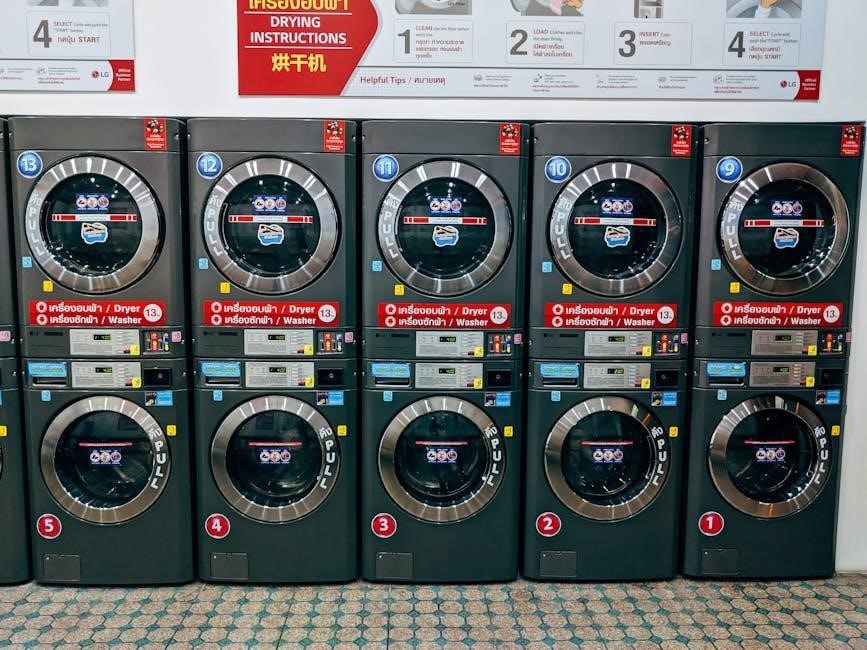
Maytag Neptune dryer error codes act as a diagnostic language, signaling specific issues within the machine. Understanding these codes is paramount for effective troubleshooting. For instance, a failure related to the hall sensor, potentially causing the spin drum to become stuck, requires verifying free movement of the spinner.
Loss of neutral feed, indicated by mid-cycle stops or flashing error codes, demands attention to the electrical supply. These codes aren’t merely random; they pinpoint the source of the problem, whether it’s a faulty sensor, a blocked vent, or an electrical disruption.
Consulting the dryer’s service manual, or online resources referencing these codes, will provide detailed explanations of each error. This allows for a targeted approach to repair, saving time and potentially preventing further damage. Accurate identification is the first step towards restoring your dryer’s functionality.
Resetting Error Codes
After addressing the underlying cause of a Maytag Neptune dryer error, resetting the code is crucial to resume normal operation. A simple power cycle – disconnecting the dryer from the electrical outlet for several minutes – often clears temporary errors. This allows the control board to ‘forget’ the previous fault.
However, some error codes may require a more deliberate reset procedure, potentially involving specific button combinations or accessing a diagnostic mode. Referencing the dryer’s service manual is essential for these scenarios.
If the error persists after a reset, it indicates the original problem hasn’t been fully resolved. Repeatedly resetting the code without fixing the issue is not a solution and could mask a developing, more serious problem. Always prioritize identifying and correcting the root cause before attempting a reset.

Maytag Neptune Dryer Maintenance
Regular upkeep extends your dryer’s life; cleaning lint filters, vents, and internal components prevents fires and ensures efficient drying performance, as detailed in manuals.
Cleaning the Lint Filter
The lint filter is crucial for safe and efficient dryer operation. After every load, remove the lint filter – typically located inside the dryer drum near the door – and clean it thoroughly; A clogged lint filter restricts airflow, leading to longer drying times, increased energy consumption, and a potential fire hazard.
Simply pull the filter upwards and use your fingers or a soft brush to remove the accumulated lint. For a deeper clean, occasionally wash the filter with mild soap and warm water. Ensure the filter is completely dry before reinstalling it.
Important Note: Never operate the dryer without the lint filter in place. Regularly checking and cleaning the lint filter is a simple yet vital maintenance step outlined in your Maytag Neptune dryer manual, contributing significantly to the appliance’s longevity and safety.
Cleaning the Dryer Vent
A clean dryer vent is paramount for both safety and performance. Over time, lint accumulates within the vent, restricting airflow and posing a significant fire risk. Your Maytag Neptune dryer manual recommends cleaning the entire vent system at least annually, or more frequently with heavy dryer use.
Disconnect the dryer from power before beginning. Locate the vent opening on the back of the dryer and detach the ductwork. Use a dryer vent cleaning kit – available at most hardware stores – or a vacuum cleaner with a long hose attachment to remove lint from the vent pipe.
Caution: Ensure the exterior vent opening is also clear of obstructions like bird nests or debris. A properly cleaned vent improves drying efficiency, reduces energy costs, and most importantly, prevents potential fire hazards. Regular vent cleaning is a critical maintenance task.
Inspecting and Cleaning Dryer Components
Beyond the lint filter and vent, several internal components require periodic inspection and cleaning to maintain your Maytag Neptune dryer’s optimal function. Disconnect power before any internal inspection. Begin by checking the blower wheel housing for lint buildup; access typically requires panel removal (consult your manual for specifics).
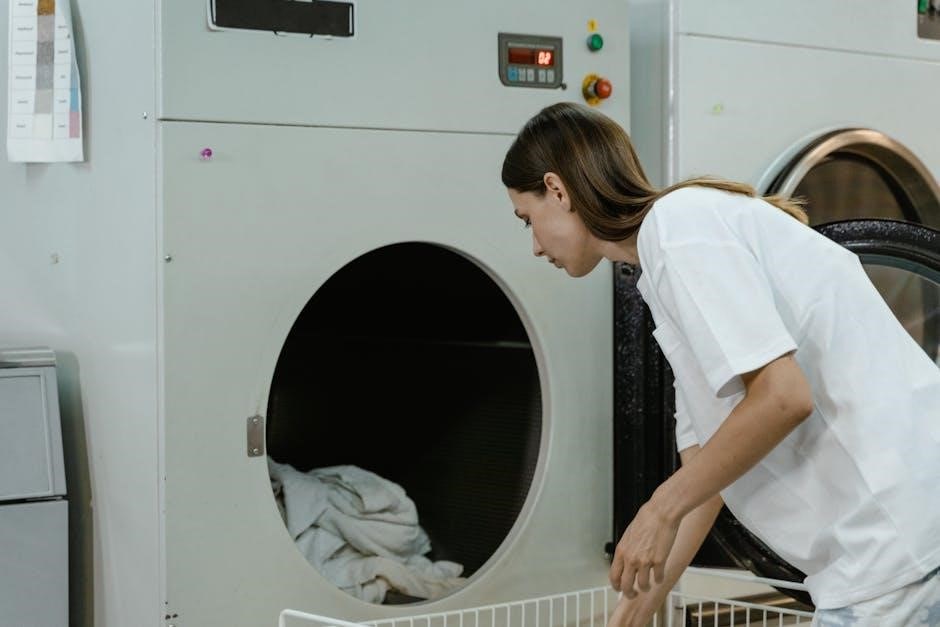
Carefully remove any accumulated lint using a vacuum or soft brush. Inspect the heating element for signs of damage or excessive dust. A malfunctioning heating element will cause the dryer not to heat. Also, examine the drum rollers and support for wear or debris.
Important: Regularly cleaning these components prevents overheating, improves airflow, and extends the dryer’s lifespan. Always refer to your Maytag Neptune dryer manual for detailed disassembly and reassembly instructions, and exercise caution when handling electrical components.
Maytag Neptune Dryer Repair – DIY vs. Professional
Assess your comfort level and technical skills before attempting repairs; some issues are easily addressed with a manual, while others necessitate a qualified technician’s expertise.
When to Attempt DIY Repair
For homeowners comfortable with basic appliance maintenance, several Maytag Neptune dryer repairs are suitable for a do-it-yourself approach. Simple fixes, like cleaning the lint filter and dryer vent – crucial for optimal performance and safety – are easily handled with guidance from the owner’s manual.
Replacing a blown thermal fuse or drive belt, often cited as common issues, can also be tackled by those with moderate mechanical aptitude and access to the correct replacement parts. However, always disconnect the dryer from the power source before beginning any repair work.
Utilize online resources, including troubleshooting guides and video tutorials, to supplement the information found in your Maytag Neptune dryer manual. If the issue involves electrical components or complex mechanical systems, or if you’re unsure about any step, it’s best to err on the side of caution and seek professional assistance.
When to Call a Professional Technician
Certain Maytag Neptune dryer issues demand the expertise of a qualified appliance technician. Any repair involving the dryer’s gas supply, such as a gas valve malfunction or leak, should always be handled by a certified professional to ensure safety and prevent potential hazards.
Complex electrical problems, including issues with the control board, wiring, or motor, require specialized knowledge and diagnostic tools. Attempting these repairs without proper training can lead to further damage or even electrical shock.
If you encounter error codes that you cannot decipher using your Maytag Neptune dryer manual, or if the dryer continues to malfunction after attempting basic troubleshooting, it’s time to call a pro. A technician can accurately diagnose the problem and perform the necessary repairs efficiently and safely, restoring your dryer to optimal working condition.

Maytag Neptune Dryer Parts & Replacement
Sourcing compatible replacement parts is crucial for maintaining your Maytag Neptune dryer. Refer to your dryer’s manual for part numbers and diagrams, ensuring a proper fit and function.
Finding Compatible Replacement Parts
Locating the correct replacement parts for your Maytag Neptune dryer requires a systematic approach, beginning with your dryer’s model number. This number, typically found on a label inside the dryer door or on the back panel, is essential for accurate part identification. Utilize this model number when searching online parts retailers or contacting appliance parts distributors.
The Maytag Neptune dryer manual itself often contains exploded diagrams illustrating the dryer’s components and their corresponding part numbers. These diagrams are invaluable resources for visualizing the parts and confirming their location within the dryer. Online parts websites frequently offer similar diagrams, allowing you to visually match the part you need.
When ordering parts, always double-check compatibility. Some parts may appear similar but are specific to certain Maytag Neptune dryer models. Verify that the part is designed for your exact model to avoid compatibility issues and ensure proper functionality. Reputable parts retailers will typically have compatibility checkers on their websites.
Replacing Common Dryer Parts
Several components of the Maytag Neptune dryer are frequently replaced during DIY repairs. The heating element, responsible for generating heat, is a common culprit when the dryer isn’t heating. Replacing it involves disconnecting power, accessing the element housing, and carefully disconnecting/reconnecting wiring.
The dryer belt, crucial for drum rotation, often wears out, causing the drum to stop tumbling. Accessing and replacing the belt typically requires removing panels and maneuvering the belt around the drum and motor pulley. The drum rollers and idler pulley are also frequent replacements if the drum is noisy or difficult to turn.
Always disconnect the dryer from the power source before attempting any repairs. Consult your Maytag Neptune dryer manual for specific instructions and diagrams related to the part you’re replacing. Take photos during disassembly to aid reassembly, and exercise caution when handling electrical components.

Maytag Neptune Dryer Operating Procedures
Effective laundry care with your Maytag Neptune dryer involves proper sorting, loading, and cycle selection, ensuring optimal drying and garment preservation for best results.
Proper Laundry Sorting & Loading
Before initiating a drying cycle, meticulous laundry sorting is crucial for preserving garment quality and preventing unwanted color transfer. Separate items by fabric type – delicate fabrics like silk and lace should be isolated from heavier materials such as denim and towels.
Color separation is equally important; divide clothes into whites, lights, and darks to avoid dye bleeding. Check pockets for any remaining objects like coins or tissues, which can cause damage to both the dryer and your clothes.
When loading the Maytag Neptune dryer, avoid overcrowding. Overloading restricts airflow, leading to inefficient drying and potential wrinkling. A good rule of thumb is to fill the drum no more than two-thirds full, allowing clothes ample space to tumble freely. Ensure items are untangled to promote even drying.
Bulky items, like comforters, may require a larger capacity dryer or multiple cycles to dry thoroughly.
Selecting the Correct Drying Cycle
The Maytag Neptune dryer offers a variety of cycles designed to cater to different fabric types and drying needs. Understanding these options is key to achieving optimal results and preventing damage to your clothes. For delicate items, utilize the “Delicates” or “Low Heat” setting to minimize shrinkage and protect sensitive fibers.
“Permanent Press” is ideal for wrinkle-resistant fabrics, while “Normal” or “Regular” is suitable for everyday cottons and linens. Heavy-duty items like towels and jeans benefit from the “Heavy Duty” cycle, employing higher heat for faster drying.
Consider using the “Timed Dry” option for specific drying times, or the “Sensor Dry” which automatically detects moisture levels and stops the cycle when clothes are dry, preventing over-drying. Always consult garment care labels for specific drying instructions.
Proper cycle selection extends the life of your clothes and ensures efficient energy usage.