
Tax Preparation Worksheet PDF 2023: A Comprehensive Guide
Navigating 2023 taxes requires diligent preparation, and utilizing a comprehensive worksheet is paramount for accuracy․
The CRA mandates annual filings, even without income, to claim eligible benefits and credits effectively․

Embarking on your 2023 tax preparation journey can seem daunting, but with the right tools and understanding, it becomes manageable․ The Canada Revenue Agency (CRA) requires all residents to file an annual tax return, even if no income was earned, to maintain eligibility for crucial benefits and credits․ This process involves meticulously gathering financial documents, understanding applicable deductions, and accurately completing the necessary forms․
A key component of successful tax filing is utilizing a tax preparation worksheet․ These worksheets, often available as PDFs, provide a structured framework to organize your income information – from employment (T4 slips) to self-employment earnings and investment income (T5, T3 slips)․ They also guide you through identifying eligible deductions, like RRSP contributions and medical expenses, ultimately leading to a precise calculation of your tax liability or refund․
The CRA offers various digital filing options, including NETFILE through approved tax software and EFILE via a tax preparer, streamlining the submission process․ Remember, staying informed about deadlines and utilizing available resources will ensure a smooth and compliant tax season․
Understanding the Importance of a Worksheet
A tax preparation worksheet, particularly in PDF format, isn’t merely a convenience; it’s a foundational element for accurate and efficient tax filing․ It transforms a potentially complex process into a series of manageable steps, minimizing errors and maximizing potential refunds or minimizing tax liabilities․ By systematically organizing income sources – T4, self-employment, and investment slips (T5, T3) – a worksheet ensures no crucial detail is overlooked․
Furthermore, a well-designed worksheet prompts you to consider all eligible deductions and credits, such as RRSP contributions, medical expenses, and tuition amounts․ This proactive approach prevents missed opportunities to reduce your taxable income․ Utilizing a worksheet also facilitates a clearer understanding of your overall financial picture, aiding in future financial planning․
The CRA encourages electronic filing via NETFILE, and a completed worksheet serves as an excellent pre-filing check, ensuring data consistency before submission through approved tax software․
Where to Find Official 2023 Tax Forms & Worksheets (CRA)
The Canada Revenue Agency (CRA) is the definitive source for official 2023 tax forms and worksheets․ Accessing these directly from the CRA website (www․canada․ca/cra) guarantees authenticity and the most up-to-date versions․ Forms are typically available in fillable PDF format, streamlining the completion process․ You can find the T1 General tax form, along with accompanying schedules and worksheets, under the “Forms and Publications” section․
While numerous third-party websites offer tax forms, the CRA website remains the most reliable․ The CRA also provides access to tax software through NETFILE, which often incorporates the necessary worksheets directly into the filing process․ Remember to download forms directly from the CRA to avoid potential inaccuracies or security risks․
The CRA’s “My Account” portal also provides convenient access to personalized tax information and previously filed returns․

Key Income Sources to Include
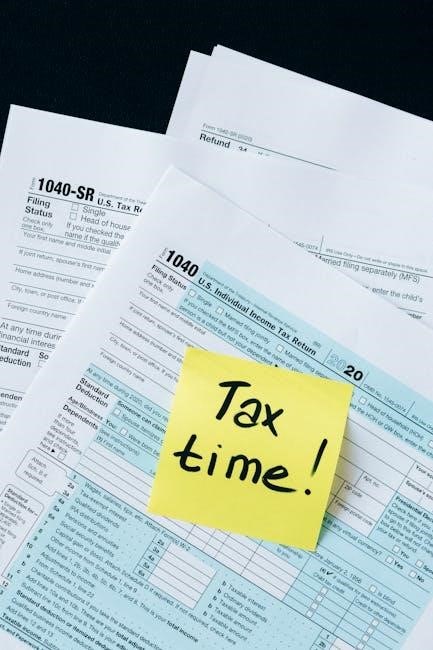
Accurately reporting all income is crucial for tax compliance; include employment (T4), self-employment, and investment income (T5, T3 slips) on your worksheet․
Reporting Employment Income (T4 Slip)
The T4 slip is a fundamental document for individuals with employment income, detailing earnings and deductions throughout the tax year․ This slip, provided by your employer, outlines your total income, including salary, wages, bonuses, and other taxable benefits․ When completing your 2023 tax preparation worksheet, carefully transcribe all figures from your T4 slip to the corresponding lines on the form․
Pay close attention to box 14, which often contains information about other benefits or deductions, such as union dues or pension contributions․ Ensure accuracy when entering these amounts, as errors can lead to delays in processing your tax return or potential reassessments․ Retain your T4 slip with your other tax documents for at least six years, as the CRA may request it for verification purposes․ Properly reporting employment income is a cornerstone of accurate tax filing․
Self-Employment Income and Expenses
Self-employed individuals require a meticulous approach to tax preparation, as reporting income and expenses differs from those with employment income․ You’ll need to calculate your net income – your gross income minus allowable business expenses – using Form T2125․ Common deductible expenses include advertising, business insurance, legal and accounting fees, office supplies, and a portion of home expenses if you operate from home․
Maintaining detailed records of all income and expenses is crucial․ The CRA may request supporting documentation, so keep receipts, invoices, and bank statements organized․ Accurately claiming eligible expenses minimizes your taxable income and maximizes potential tax savings․ Remember to report all self-employment income, even if it’s a side hustle, to avoid penalties and ensure compliance with tax regulations․
Investment Income (T5, T3 Slips)
Investment income is a crucial component of many tax returns, and accurately reporting it requires careful attention to the slips you receive․ T5 slips detail income from Canadian investments like dividends and interest, while T3 slips report income from trusts, including capital gains distributions․ These slips are issued by the financial institutions where you hold your investments․
Ensure you report all investment income on your tax return, as it’s subject to taxation․ Capital gains are taxed differently than regular income; only 50% of a capital gain is taxable․ Keep your investment slips organized and readily available when preparing your taxes․ Utilizing tax software can simplify the process of entering this information and calculating the correct tax owing․

Common Deductions and Credits
Maximizing your tax refund involves claiming all eligible deductions and credits․ These reduce your taxable income, potentially lowering your tax liability significantly․
Registered Retirement Savings Plan (RRSP) Contributions
RRSP contributions are a powerful tool for reducing your taxable income in the year the contribution is made․ This deduction is claimed directly on your T1 General tax form, potentially leading to a substantial refund․ The amount you can deduct is generally limited to the lesser of your RRSP contribution room and your net income for the year․
Determining your RRSP contribution room can be done through your CRA My Account portal, or by reviewing prior Notice of Assessment documents․ Keep detailed records of all RRSP contributions, including the financial institution’s name, date, and amount․ Accurate documentation is crucial should the CRA request verification․ Remember, unused contribution room carries forward to future years, offering flexibility in your retirement savings strategy․
Medical Expenses – Eligibility and Claiming
Claiming eligible medical expenses can significantly reduce your taxable income, but strict rules apply․ Only expenses not covered by other sources, like private insurance, are eligible․ These include costs for prescription drugs, dental care, vision care, and medical devices․ A detailed list of eligible expenses is available on the CRA website․
To claim, you must itemize medical expenses exceeding 3% of your net income or a specified dollar amount (the lower of the two)․ Keep all original receipts for eligible expenses, including the provider’s name, date, amount, and services rendered․ You can claim expenses for yourself, your spouse or common-law partner, and dependent children․ Proper documentation is vital for a smooth assessment process․
Tuition, Education, and Textbook Amounts
Students and their families may be eligible for various education-related tax credits and amounts․ While the federal education and textbook tax credits were eliminated in 2017, tuition amounts can still be carried forward and claimed in future years․ These amounts are reported on a T2202A form issued by the eligible post-secondary institution․
Provincial and territorial education credits may still be available, varying by location․ Carefully review your provincial tax form instructions․ Amounts can be transferred to a supporting spouse or common-law partner if the student’s income is low․ Maintaining accurate records of tuition fees and T2202A forms is crucial for maximizing potential tax benefits and ensuring a correct filing․

Navigating the T1 General Tax Form
The T1 form is central to Canadian tax filing; understanding its sections, tax brackets, and income calculations is vital for accurate returns and maximizing benefits․
Line-by-Line Breakdown of Key Sections
Delving into the T1 form requires a systematic approach, starting with identifying your total income on line 10000․ This encompasses employment income (T4 slips), self-employment earnings, investment income (T5, T3 slips), and any other taxable revenue streams․ Subsequently, line 20000 focuses on deductions, including RRSP contributions, childcare expenses, and eligible medical costs․
Carefully review each deduction’s eligibility criteria to ensure accurate claiming․ Taxable income is then calculated on line 21000, representing the income subject to tax․ The subsequent lines determine your net tax payable, factoring in federal and provincial/territorial tax credits․ Utilizing a tax preparation worksheet PDF assists in meticulously tracking these figures, minimizing errors, and optimizing potential refunds․ Remember to consult the CRA’s guide for detailed instructions on each line and applicable credits․
Understanding Tax Brackets for 2023
Canada employs a progressive tax system, meaning your tax rate increases as your income rises․ For 2023, federal tax brackets begin at 15% on income up to $53,359, escalating to 20․5% on income between $53,359 and $106,717․ Higher income levels face rates of 26%, 29%, and ultimately 33% for income exceeding $235,675․
Provincial and territorial tax brackets further refine this system, varying significantly across regions․ A tax preparation worksheet PDF helps determine your total tax liability by applying the correct rates to each income portion․ Understanding these brackets is crucial for accurate tax calculation and planning․ Remember, only the income within each bracket is taxed at that specific rate; your entire income isn’t taxed at the highest bracket․
Calculating Your Net and Taxable Income
Determining your net income is the first step, achieved by subtracting total expenses from your total income․ A comprehensive tax preparation worksheet PDF guides this process, ensuring all income sources (employment, self-employment, investments) are accounted for․ Subsequently, calculating taxable income involves subtracting eligible deductions and credits from your net income․
Common deductions include RRSP contributions and eligible medical expenses․ Taxable income is the base upon which your tax liability is calculated, utilizing the applicable tax brackets; The worksheet simplifies this by providing dedicated sections for each deduction and credit, minimizing errors․ Accurate calculation of both net and taxable income is vital for a correct tax return and avoiding potential CRA reassessments․

Digital Filing Options: NETFILE & EFILE
NETFILE allows secure electronic submission via approved tax software, while EFILE utilizes a tax preparer․ Both methods streamline the process efficiently and accurately․
NETFILE: Filing Through Approved Tax Software
NETFILE represents a convenient and secure method for Canadians to electronically transmit their tax returns directly to the Canada Revenue Agency (CRA)․ This service leverages certified tax software, ensuring compatibility and data integrity throughout the filing process․ To participate in NETFILE, individuals must utilize software specifically listed on the CRA’s approved NETFILE software package list, guaranteeing adherence to established standards․
The CRA strongly encourages NETFILE as it offers a faster and more secure alternative to traditional paper filing․ Utilizing NETFILE minimizes processing times and reduces the risk of errors associated with manual data entry․ Furthermore, the CRA provides resources and support to assist taxpayers in navigating the NETFILE process, including detailed instructions and troubleshooting guides․ Remember to protect sensitive information during electronic submission to maintain financial security․
EFILE: Filing Through a Tax Preparer
Engaging a qualified tax preparer and utilizing EFILE offers a streamlined approach to fulfilling your tax obligations․ EFILE allows authorized tax professionals to electronically submit returns on behalf of their clients directly to the Canada Revenue Agency (CRA)․ This method is particularly beneficial for individuals with complex tax situations, self-employment income, or those seeking expert guidance to maximize eligible deductions and credits․

The CRA’s EFILE service ensures secure and efficient transmission of tax data․ However, it’s crucial to verify that your chosen tax preparer is authorized to EFILE with the CRA․ As of February 12, 2026, the CRA’s EFILE web services were temporarily closed for initial and amended T1 filings, highlighting the importance of planning and timely engagement with a professional․ EFILE provides peace of mind and potentially optimizes your tax outcome․
CRA My Account Portal – Accessing Tax Information
The CRA My Account portal is a secure online platform providing convenient access to your personalized tax information․ This invaluable resource allows taxpayers to view their tax returns, benefit information, and account balances․ It simplifies the process of retrieving crucial details needed for completing your 2023 tax preparation worksheet, such as previously claimed deductions and credits, and any outstanding balances․
Recent improvements, as of January 2025, have streamlined the sign-in process for My Account, My Business Account, and Represent a Client portals, enhancing user experience․ You can securely access this information 24/7, eliminating the need to wait for mail or contact the CRA directly․ Utilizing My Account alongside your tax worksheet ensures accuracy and facilitates a smoother filing experience, ultimately maximizing your potential refund or minimizing your tax liability․

Important Dates and Deadlines for 2023 Taxes
Meeting crucial deadlines is vital for avoiding penalties․ Individuals and self-employed taxpayers have distinct filing dates, necessitating careful planning and preparation․
Filing Deadline for Individuals
For most individuals, the deadline to file your 2023 income tax return with the Canada Revenue Agency (CRA) is April 30, 2024․ This applies whether you are filing on paper or electronically through NETFILE․ However, it’s crucial to remember that this date shifts slightly if you are self-employed, as detailed in the subsequent section;
If you are filing your return electronically, ensuring timely submission through approved tax software is essential․ The CRA strongly encourages electronic filing for its speed and security benefits․ Utilizing a tax preparation worksheet, particularly a PDF version for 2023, can significantly streamline this process, helping you gather all necessary information efficiently․
Remember, even if you don’t owe any taxes, filing on time is vital to receive any eligible benefits or credits you may be entitled to․ Late filing can result in penalties and interest charges, so prioritize meeting this important deadline․
Self-Employment Filing Deadline
If you are self-employed and have business income, the deadline for filing your 2023 income tax return is June 15, 2024․ This extended deadline allows you additional time to calculate your business income and expenses accurately․ However, any taxes owing are still due by April 30, 2024, regardless of the filing extension․
A well-organized tax preparation worksheet, specifically a 2023 PDF version, is incredibly valuable for self-employed individuals․ It helps track income, expenses, and deductions, ensuring you claim all eligible benefits․ Utilizing such a worksheet simplifies the often-complex process of self-employment tax filing․
Failure to file by June 15th, even with taxes paid, can still incur penalties․ Therefore, proactive preparation and utilizing available resources, like CRA’s online tools, are highly recommended for a smooth filing experience․
Payment Deadlines to Avoid Penalties
To avoid penalties and interest charges, your 2023 tax payment is due on April 30, 2024, even if you file your return later․ Utilizing a detailed 2023 tax preparation worksheet PDF can help you accurately calculate your tax liability and ensure timely payment․ Procrastination can lead to significant financial repercussions, so planning is crucial․
If you are self-employed, while your filing deadline extends to June 15, 2024, the payment deadline remains April 30th․ A well-structured worksheet aids in estimating your tax obligations throughout the year, allowing for proactive installment payments if needed․
The CRA offers various payment methods, including online banking and credit card․ Accurate record-keeping, facilitated by a comprehensive worksheet, is essential for substantiating your payments and avoiding disputes․

Resources and Support from the CRA
The CRA provides extensive support, including phone lines, mailing addresses, and a comprehensive website․
Accessing these resources simplifies navigating your 2023 tax preparation worksheet․
CRA Contact Information (Phone, Mail)
For personalized assistance with your 2023 tax preparation worksheet, the Canada Revenue Agency (CRA) offers multiple contact avenues․ While direct support regarding specific worksheet completion isn’t explicitly detailed, general tax inquiries are welcomed․ Individuals can reach the CRA via phone; however, be prepared for potential wait times, especially during peak tax season․ The CRA website provides current phone numbers for various departments, categorized by tax topic․
Alternatively, written correspondence can be submitted via mail․ The CRA website lists specific mailing addresses based on your province or territory and the type of tax form or issue․ Remember to include your Social Insurance Number (SIN) and relevant tax year details in all communications․ Utilizing these contact methods can clarify any uncertainties encountered while completing your 2023 tax preparation worksheet, ensuring accurate filing and maximizing eligible benefits․ Always retain copies of all correspondence for your records․
CRA Website and Online Tools
The Canada Revenue Agency (CRA) website is a central hub for all things tax-related, offering extensive resources to support your 2023 tax preparation worksheet completion․ You’ll find downloadable tax forms, including the T1 General, and accompanying worksheets in PDF format․ The site also features detailed guides, publications, and FAQs addressing common tax questions․
Crucially, the “My Account” portal allows secure access to your tax information, including previously filed returns, notices of assessment, and benefit details․ This is invaluable for verifying information needed for your worksheet․ NETFILE-certified tax software links directly to the CRA website for electronic filing․ Furthermore, the CRA provides online tools to calculate specific deductions and credits, streamlining the worksheet process․ Regularly checking the CRA website ensures you have the latest updates and information for accurate 2023 tax filing․
Tax Season Service Levels – What to Expect from the CRA
During the 2023 tax season, understanding CRA service levels is crucial, especially when utilizing a tax preparation worksheet and anticipating potential queries․ The CRA experiences peak demand, leading to longer wait times for phone support․ Expect potential delays in processing paper returns compared to electronically filed returns via NETFILE․
The CRA prioritizes processing returns with benefit applications, so these may be handled more quickly․ While the “My Account” portal offers 24/7 access to information, complex inquiries may require contacting the CRA directly․ Be prepared for potential delays in receiving your Notice of Assessment․ The CRA advises taxpayers to utilize online resources and self-service tools whenever possible to minimize wait times and efficiently complete their 2023 tax preparation worksheet process․