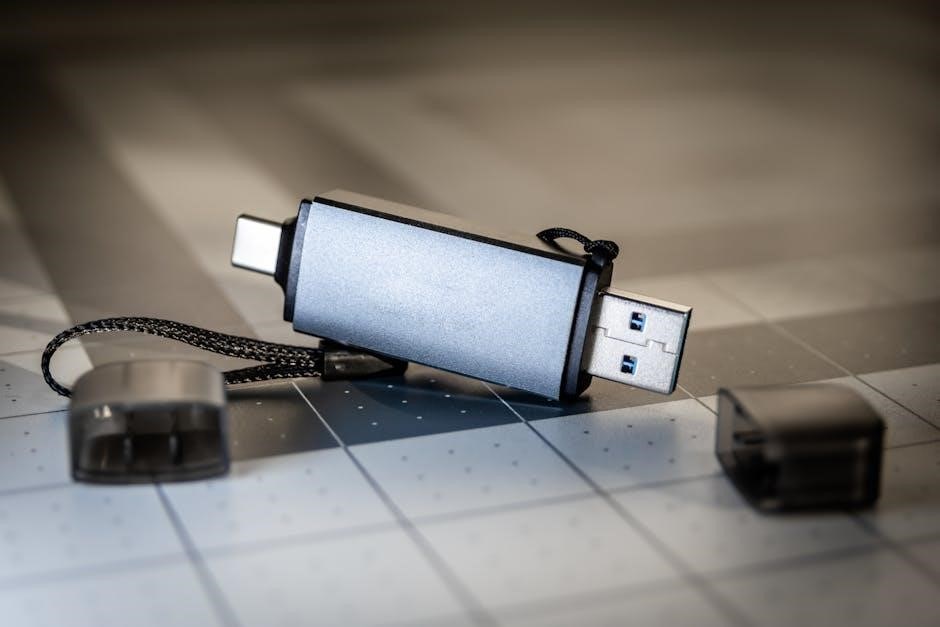
Telstra’s 4GX USB Modem offers convenient mobile broadband access․ Numerous guides, including setup PDFs and quick start resources, are readily available online for users․
What is the Telstra 4GX USB Modem?
The Telstra 4GX USB Modem is a portable device enabling internet connectivity for laptops and computers via Telstra’s 4GX mobile network․ It functions similarly to a mobile broadband dongle, providing a wireless internet connection where standard broadband isn’t available․ Several models exist, like the ZTE F670L, ZXHN F600W, and MF833V, each with specific features․
Users can access the internet by inserting a compatible Telstra SIM card into the modem and connecting it to a computer’s USB port․ Numerous setup guides and user manuals, available as PDFs, detail the installation and configuration process, ensuring a smooth user experience․
Key Features and Benefits
The Telstra 4GX USB Modem boasts several key advantages, primarily offering mobile broadband access where fixed-line connections are limited․ Its portability allows internet connectivity on the go, ideal for travel or remote locations․ Available user manuals detail features like data usage monitoring via the Telstra Connection Software dashboard and signal strength indicators․
Benefits include easy setup with provided guides, compatibility with various operating systems, and access to Telstra’s extensive 4GX network․ Users can also configure APN settings and manage firewall options for enhanced security, as outlined in available documentation․
Setting Up Your Telstra 4GX USB Modem
Initial setup involves unboxing the modem, verifying system requirements, and installing the hardware according to the provided quick start guides and manuals․
Unboxing and Contents
Upon opening your Telstra 4GX USB Modem package, carefully inspect the contents․ You should find the 4GX USB Modem itself, a quick start guide providing essential setup instructions, and potentially a SIM card if it wasn’t pre-installed․ Verify that all listed components are present and undamaged․ The packaging is designed to protect the modem during transit․
Refer to the included documentation for a detailed list of included items․ If anything is missing or appears faulty, immediately contact Telstra support for assistance․ Retain the original packaging for potential returns or warranty claims․ Proper unboxing ensures a smooth initial experience․
System Requirements
To effectively utilize your Telstra 4GX USB Modem, ensure your computer meets the minimum system requirements․ For Windows users, a compatible operating system – typically Windows 7 or later – is essential․ macOS compatibility generally extends to recent versions of the operating system․ A USB port (2․0 or higher) is mandatory for connecting the modem․
Sufficient RAM (at least 2GB recommended) and available hard drive space for software installation are also necessary․ Check Telstra’s official support website for the most up-to-date compatibility information and driver downloads․ Meeting these requirements guarantees optimal performance;
Installing the Hardware
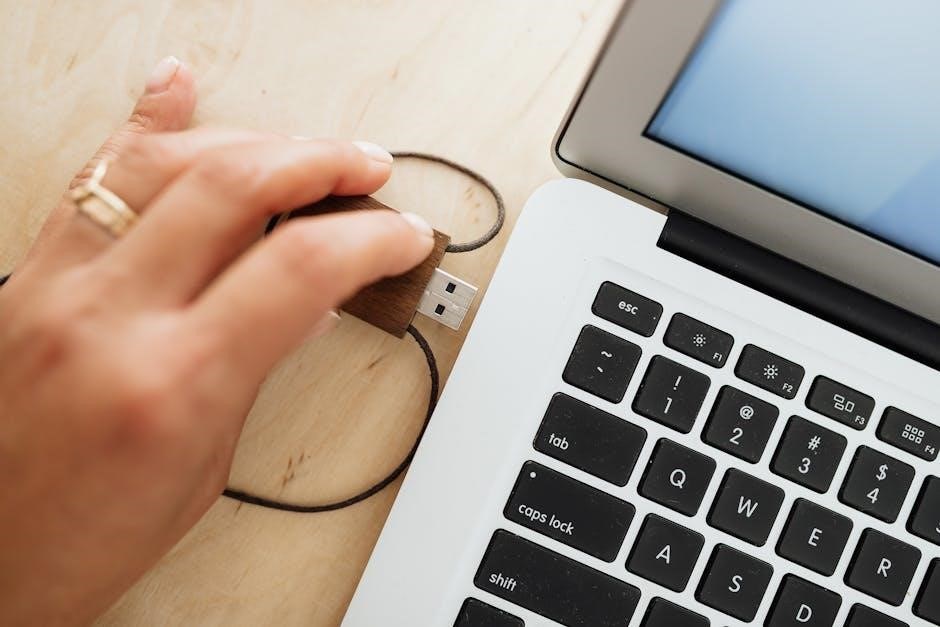
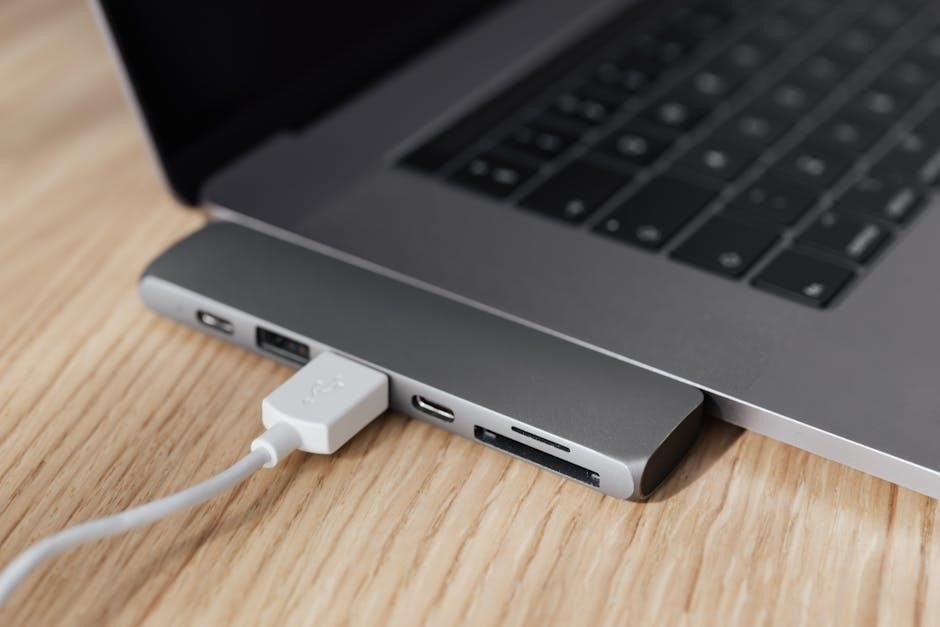
Hardware installation is remarkably straightforward․ Begin by carefully unpacking the Telstra 4GX USB Modem and verifying all components are present, as detailed in the unboxing guide․ Locate a free USB port on your computer – USB 2․0 or higher is recommended for optimal data transfer speeds․ Gently insert the modem into the USB port; avoid excessive force․
Your computer should automatically detect the new hardware․ Allow the system to install any necessary drivers․ If prompted, follow the on-screen instructions․ A successful installation will be indicated by a notification․
Connecting to the Internet
Establishing an internet connection requires a valid Telstra SIM card, the Telstra Connection Software installed, and proper configuration for your operating system․
Inserting the SIM Card
Proper SIM card insertion is crucial for establishing a connection with the Telstra network․ Begin by locating the SIM card slot on your Telstra 4GX USB Modem; its position varies by model․ Gently open the SIM tray – avoid using excessive force․ Carefully insert your Telstra SIM card into the tray, ensuring the gold contacts face downwards and align correctly with the tray’s outline․
Once aligned, smoothly slide the tray back into the modem until it clicks securely into place․ Incorrect insertion can prevent the modem from recognizing the SIM, hindering internet access․ Double-check that the SIM is firmly seated before proceeding with software installation and connection attempts․
Installing the Telstra Connection Software
The Telstra Connection Software is essential for managing your 4GX USB Modem and accessing the internet․ Typically, the software is included on a CD with your modem, or you can download the latest version from the official Telstra support website․ Run the downloaded installer and follow the on-screen prompts․
Accept the license agreement and choose your preferred installation location․ The software will install necessary drivers for your modem to communicate with your computer․ Once installed, launch the application to begin configuring your connection settings and monitoring data usage․
Connecting to a Computer (Windows)
To connect your Telstra 4GX USB Modem to a Windows computer, simply insert the modem into an available USB port․ Windows should automatically detect the device and begin installing the necessary drivers․ If prompted, allow the installation to complete․ Once the drivers are installed, launch the Telstra Connection Software․
The software will guide you through the connection process, detecting the modem and establishing a network connection․ Ensure your SIM card is properly inserted before attempting to connect․ A successful connection will display signal strength and data usage information within the software․
Connecting to a Computer (macOS)
Connecting your Telstra 4GX USB Modem to a macOS computer involves inserting it into a USB port․ macOS will typically recognize the modem and initiate driver installation automatically․ If prompted, grant the necessary permissions for the installation to proceed smoothly․ After driver installation, launch the Telstra Connection Software․
The software will detect the modem and guide you through establishing a network connection․ Verify the SIM card is correctly inserted beforehand․ A successful connection will display signal strength and data usage details within the application interface․

Understanding the Modem Interface
The Telstra Connection Software dashboard displays crucial information like signal strength, data usage, and connection status, enabling effective modem management and monitoring․
The Telstra Connection Software Dashboard
The Telstra Connection Software dashboard serves as the central hub for managing your 4GX USB Modem․ Upon launching the software, users are presented with a clear and concise interface․ Key elements include a prominent display of current signal strength, indicating the quality of your 4GX connection․
Real-time data usage statistics are also readily visible, allowing you to monitor your data consumption and avoid exceeding your plan allowance․ The dashboard provides quick access to essential settings, such as APN configuration and network selection․ Furthermore, it displays connection status, notifying you whether you are connected to the internet and the duration of the session․ This intuitive design simplifies modem operation and provides a comprehensive overview of your mobile broadband experience․
Signal Strength Indicators
Signal strength indicators within the Telstra Connection Software are crucial for optimal performance․ These indicators typically display a visual representation, often using bars or a percentage, to illustrate the strength of the 4GX signal․ A higher signal strength generally translates to faster and more reliable internet speeds․
Users should observe these indicators when experiencing connectivity issues; a weak signal may necessitate relocating to an area with better coverage․ The dashboard provides real-time updates, reflecting changes in signal strength as you move․ Understanding these indicators empowers users to optimize their modem’s placement for the best possible connection․
Data Usage Monitoring
Data usage monitoring is a key feature of the Telstra Connection Software dashboard․ It allows users to track their data consumption in real-time, preventing unexpected overage charges․ The software displays the amount of data used within the current billing cycle, often presented graphically for easy understanding․
Users can set data usage alerts to receive notifications when they approach their data limit․ This proactive approach helps manage data consumption effectively․ Regularly monitoring data usage is particularly important given the recent price increases announced by Telstra, ensuring users stay within their plan allowances․

Troubleshooting Common Issues
Common issues with the Telstra 4GX USB Modem include connection problems, slow speeds, and unrecognized devices; solutions are often found in online guides․
No Internet Connection
Experiencing no internet connection with your Telstra 4GX USB Modem? First, ensure the SIM card is correctly inserted and activated․ Verify sufficient data allowance remains on your plan, as exceeding limits halts connectivity․ Double-check the APN settings within the Telstra Connection Software, confirming they match Telstra’s specifications․
Restart both your computer and the modem; a simple reboot often resolves temporary glitches․ Confirm you are within Telstra’s 4GX coverage area, as signal strength directly impacts connection․ If issues persist, consult the official Telstra support website or available PDF guides for detailed troubleshooting steps․
Slow Connection Speeds
Encountering slow connection speeds with your Telstra 4GX USB Modem can be frustrating․ First, assess your signal strength; weaker signals directly correlate to slower data transfer rates․ Ensure no other devices are heavily utilizing your network bandwidth simultaneously․ Close unnecessary applications on your computer that may be consuming resources․
Check Telstra’s coverage map to confirm optimal 4GX availability in your location․ Restarting the modem and computer can often resolve temporary network congestion issues․ Refer to Telstra’s support resources or PDF manuals for advanced troubleshooting tips․
Modem Not Recognized by Computer
If your computer fails to recognize the Telstra 4GX USB Modem, begin by testing the modem on a different computer to isolate the issue․ Try a different USB port on your original computer, ensuring it’s a USB 2․0 or 3․0 port for optimal compatibility․ Verify that the necessary drivers are correctly installed; reinstalling them from the Telstra connection software or website is recommended․
Check Device Manager (Windows) for any error messages related to the modem․ Consult the provided PDF guides for specific driver installation instructions and troubleshooting steps․
SIM Card Errors
Encountering SIM card errors with your Telstra 4GX USB Modem often indicates a problem with the SIM card itself or its insertion․ Ensure the SIM card is properly seated within the modem’s SIM card slot, confirming it clicks securely into place․ Try re-inserting the SIM card, and verify it’s a valid Telstra SIM card activated for data services․
If the issue persists, test with a different, known-working Telstra SIM card․ Refer to the quick start guides or official Telstra support for specific SIM error code explanations and resolution steps․
Advanced Settings and Configuration
Customize your modem via the Telstra Connection Software, adjusting APN settings, password protection, and firewall configurations for optimized performance and security․
APN Settings Configuration
Access Point Name (APN) settings dictate how your Telstra 4GX USB Modem connects to the internet․ Incorrect APN configurations are a frequent cause of connectivity issues․ Typically, the Telstra APN is automatically configured during setup with the Telstra Connection Software․
However, manual adjustments might be necessary in specific scenarios․ To modify these settings, navigate to the advanced options within the software․ Ensure the APN is set to “telstra․internet” for standard data access․ Verify username and password fields are left blank unless specifically provided by Telstra support․ Saving changes and restarting the modem often resolves connection problems related to APN misconfiguration․
Changing the Modem Password
Securing your Telstra 4GX USB Modem with a strong, unique password is crucial for preventing unauthorized access to your data and settings․ The default password, if any, should be changed immediately after initial setup․ Access the password modification settings through the Telstra Connection Software’s advanced configuration menu․
Choose a password containing a mix of uppercase and lowercase letters, numbers, and symbols for enhanced security․ Remember to store your new password in a safe and secure location․ Regularly updating your password is also recommended to maintain optimal protection against potential security breaches and ensure your data remains private․
Firewall Settings
The Telstra 4GX USB Modem’s firewall settings provide an essential layer of security, protecting your connected devices from potential online threats․ While the modem offers basic firewall functionality, it’s important to understand its limitations․ Access these settings through the advanced configuration options within the Telstra Connection Software interface․
You can typically enable or disable the firewall and adjust its sensitivity levels․ For optimal protection, it’s recommended to keep the firewall enabled․ However, overly restrictive settings might interfere with certain applications․ Consider consulting additional security software for comprehensive protection alongside the modem’s built-in firewall capabilities․

Telstra Network Information
Telstra’s 4GX utilizes advanced technology for faster speeds and broader coverage across Australia; Recent price adjustments, effective May 2026, impact mobile plan costs․
Understanding 4GX Technology
Telstra’s 4GX represents a significant advancement over previous 3G networks, delivering enhanced mobile broadband speeds and improved network capacity․ It’s essentially an evolution of LTE (Long Term Evolution) technology, optimized for the Australian landscape․ This means faster downloads, smoother streaming, and a more reliable connection for users of the 4GX USB Modem․
4GX combines multiple spectrum bands to achieve these improvements, offering greater resilience against network congestion․ While 5G is now rolling out, 4GX remains a crucial part of Telstra’s network, providing widespread coverage, particularly in regional areas where 5G availability is still limited․ It’s designed to maximize performance within the existing LTE framework․
Coverage Maps and Availability
Telstra’s 4GX network boasts extensive coverage across Australia, but availability varies depending on your location․ Checking Telstra’s official coverage maps is crucial before relying on the 4GX USB Modem․ These maps detail areas with strong, moderate, and limited 4GX signal strength․
Generally, major cities and many regional centers enjoy robust 4GX coverage․ However, remote areas may have limited or no service․ Telstra continuously expands its network, but coverage isn’t universal․ Users should consult the latest maps on the Telstra website to determine 4GX accessibility in their specific areas for optimal performance․
Recent Price Increases (May 2026)
As of May 2026, Telstra implemented price increases affecting many mobile plans, potentially impacting users of the 4GX USB Modem․ Most postpaid and prepaid plans experienced a rise of between $4 and $5 per month․ This adjustment means Telstra’s cheapest mainline postpaid plan now costs $74 monthly with a 50GB allowance․
Similarly, the most affordable prepaid plan now requires a $44 recharge for 20GB of data․ These increases reflect broader economic pressures, including rising fuel costs and interest rates․ Users should review their current plans and consider options to mitigate the impact of these price changes․

Specific Modem Models
Various Telstra 4GX USB modem models exist, including the ZTE F670L, ZXHN F600W, and MF833V, each with unique user manuals and quick start guides available․
ZTE F670L User Manual Overview
The ZTE F670L user manual provides detailed instructions for setting up and utilizing this specific Telstra 4GX USB modem․ It covers initial hardware installation, SIM card insertion procedures, and software configuration on both Windows and macOS operating systems․
Users can find guidance on interpreting the modem’s interface, understanding signal strength indicators, and monitoring data usage through the Telstra Connection Software dashboard․ The manual also addresses common troubleshooting steps for issues like no internet connection, slow speeds, or computer recognition problems․
Furthermore, it details advanced settings, including APN configuration, password changes, and firewall adjustments, ensuring optimal performance and security for the ZTE F670L model․
ZXHN F600W Product Description
The ZXHN F600W is a Telstra 4GX USB modem designed for reliable mobile broadband connectivity․ While a dedicated user manual might be less prominent, product descriptions detail its core functionalities․ It facilitates easy internet access by simply plugging into a computer’s USB port and installing the necessary Telstra connection software․
This modem supports 4GX technology, offering faster download and upload speeds where available․ Users can manage their connection, monitor data usage, and adjust settings via the software interface․ Troubleshooting guides available online address common issues like connectivity problems and SIM card errors․
MF833V USB Modem Quick Guide
The MF833V USB Modem provides a straightforward path to mobile internet access with Telstra’s 4GX network․ A quick start guide simplifies the setup process, focusing on essential steps like SIM card insertion and software installation․ Users can quickly connect to a computer via USB, enabling browsing, downloading, and online communication․
This guide highlights key features, including signal strength indicators and data usage monitoring tools within the Telstra connection software․ It also offers basic troubleshooting tips for common issues, ensuring a smooth user experience․ Further detailed manuals are available online․
User Manual Resources
Numerous resources exist for the Telstra 4GX USB Modem, including official support websites, unofficial guides (like those for the LH1000 model), and firmware updates․
Official Telstra Support Website
The official Telstra Support website is the primary destination for comprehensive documentation regarding the 4GX USB Modem․ Users can find detailed setup guides in PDF format, troubleshooting assistance for common issues like connectivity problems, and frequently asked questions․
Furthermore, the website provides access to the latest firmware updates to ensure optimal modem performance and security․ Direct links to specific modem models, such as the ZTE F670L and ZXHN F600W, are often available, streamlining the search process․
Telstra’s online support also offers contact options for personalized assistance if self-help resources prove insufficient, ensuring a positive user experience․
Unofficial Manuals and Guides (LH1000 Model)
While Telstra provides official documentation, numerous unofficial manuals and guides exist, particularly for the LH1000 model (Telstra Smart Modem Gen 2)․ These resources, often created by tech enthusiasts and user communities, can offer alternative explanations and troubleshooting steps not found on the official site․
These guides frequently delve into advanced configuration options and customization possibilities․ However, users should exercise caution when utilizing unofficial sources, verifying information accuracy before implementation․
Resources like online forums and dedicated websites host these guides, providing a collaborative platform for sharing knowledge and resolving issues related to the LH1000 modem․
Finding the Latest Firmware Updates
Keeping your Telstra 4GX USB Modem’s firmware up-to-date is crucial for optimal performance, security, and compatibility․ While automatic updates may occur, manually checking for the latest version is recommended․ Telstra’s official support website is the primary source for firmware downloads, though specific instructions can vary by modem model․
Users should carefully follow the provided installation guidelines to avoid potential issues during the update process․ Regularly checking for updates ensures access to bug fixes, performance enhancements, and the latest security patches․
Firmware updates can significantly improve the overall user experience․
Telstra Company Information
Telstra Group Limited is Australia’s largest telecommunications company, holding a significant market share and operating extensive networks nationwide, supporting devices like the 4GX modem․
Telstra Group Limited Overview
Telstra stands as Australia’s premier telecommunications and technology company, deeply ingrained in the nation’s connectivity infrastructure․ As a member of the S&P/ASX 20 index, it’s a major player in the Australian economy; The company doesn’t just provide mobile services; it builds and maintains the networks that power them, including the 4GX technology utilized by the USB modem․
Telstra’s operations span a wide range, from mobile and internet services to television and enterprise solutions․ They continually invest in network upgrades and expansion, ensuring reliable coverage and faster speeds for customers utilizing devices like the 4GX USB modem․ Their commitment extends to innovation and delivering cutting-edge technology․
Market Share and Position in Australia
Telstra currently holds the largest market share within Australia’s telecommunications landscape, a position solidified by extensive network coverage and a broad range of services․ This dominance directly impacts the accessibility and support available for products like the 4GX USB modem․ Their substantial customer base allows for significant investment in infrastructure and customer service initiatives․
Despite increasing competition from other providers, Telstra maintains a strong foothold, particularly in regional and rural areas․ This widespread reach is crucial for users relying on the 4GX USB modem for connectivity outside major cities․ Their continued leadership influences industry standards and technological advancements․